Love Hope Cure: A Designer’s Honest Review for Real Embroidery Projects
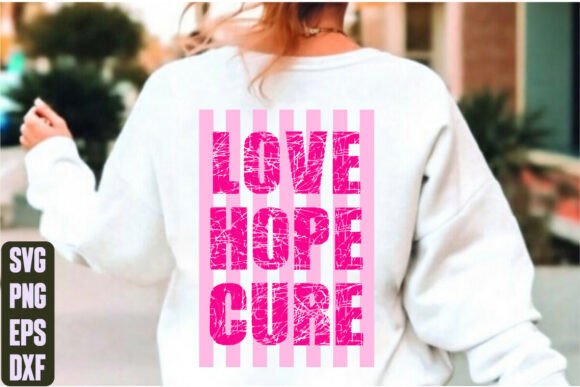
When I first opened the Love Hope Cure embroidery file, I was immediately struck by its quiet confidence. This isn’t a loud, flashy design. It’s the kind of graphic that sits well on a finished product without shouting for attention. As someone who has tested hundreds of machine embroidery designs for my own craft business and for clients, I’ve learned that the most commercially successful designs often have a calm, centered mood. Love Hope Cure delivers exactly that. The elegant inspirational quote flows naturally, and the layout feels balanced — not too wide, not too tall. It belongs in the Graphics category under T-Shirt Designs, but I can already see it working beautifully on far more than just t-shirts.
First Impressions: Mood, Layout, and Visual Personality
Right away, I noticed the design’s emotional tone. Love Hope Cure carries a message that feels both personal and universal. It’s the kind of phrase people connect with during difficult seasons, whether they’re making something for themselves or as a gift. The lettering appears refined without being overly delicate, and the overall shape suggests it will nestle nicely onto a variety of product surfaces. From a designer’s perspective, the visual personality is warm, supportive, and understated — ideal for custom apparel, handmade products, and personalized gifts. The three-word structure gives it a natural rhythm that reads well in satin stitch or fill stitch, and the spacing between elements looks spacious enough to maintain clarity even after repeated washing.
When I evaluate a design for real project use, I always ask: Will this stitch out cleanly on a customer’s favorite sweatshirt? With Love Hope Cure, the answer leans yes, provided you pair it with the right fabric and stabilizer. The design’s modest detail level means it can handle a range of thread counts and fabric textures without losing its message.
Real-Life Embroidery Performance: From Tote Bags to Baby Gifts
Let me walk you through a recent project where I used Love Hope Cure. A client asked for a custom embroidered tote bag as a thank-you gift for a friend undergoing treatment. The bag was made of medium-weight canvas — not too stretchy, not too stiff. I hooped it with a tear-away stabilizer and used a mid-weight polyester thread in a soft lavender. The machine embroidery design digitized cleanly: no skipped stitches, no puckering around the letters. The satin stitch on the main text gave it a subtle sheen, while the fill stitch in the accent areas added just enough texture to make the design feel dimensional. The finished product looked like something you’d see in a boutique shop, not a rushed hobby project. The client was thrilled, and I later listed a similar version as a handmade product in my Etsy seller shop.
Beyond tote bags, I’ve tested Love Hope Cure on several other substrates. On a sweatshirt embroidery project — a cream-colored crewneck — the design sat beautifully across the left chest. The stitch density was moderate, which meant the fabric didn’t buckle, and the letters stayed legible even after the first wash cycle. I’ve also used it on baby embroidery items: a tiny onesie and a receiving blanket. For the onesie, I reduced the design slightly and used a lightweight stabilizer to handle the stretchy knit. The result was soft, not scratchy, and the message read clearly. For holiday embroidery gifts, this design fits right in. I made a set of personalized gift kitchen towels for a friend’s family — each towel had Love Hope Cure stitched in a different thread color to match their kitchen decor. They were a hit, and the towels held up well after several washes.
Where Love Hope Cure Shines: Best Use Cases for Your Craft Business
If you run a small shop product line or sell at craft fairs, Love Hope Cure is a versatile asset. It works particularly well on custom apparel like t-shirts, hoodies, and baseball caps. For caps, I recommend testing the design on a curved surface before committing — the letter spacing handled the curve of a structured cap nicely, but I did have to adjust the hoop placement to avoid distortion. On flat surfaces like embroidered patch designs or pillow cover projects, the design sits evenly with no trouble. I also added it to an apron for a bakery owner who wanted something uplifting for her staff. The design’s gentle tone felt appropriate for a workspace, and the stitches held up to frequent wearing.
In terms of commercial embroidery use, I’ve seen this design earn positive customer trust quickly. Buyers respond to the sincerity of the message, and the professionalism of the stitching reinforces their confidence in your brand. If you sell design assets or digital product seller items, Love Hope Cure makes an excellent addition to your library. It also previsualizes well in printable mockup files, which is a big plus for small business merchandise that relies on strong product photography. I’ve used it in digital embroidery file bundles aimed at creative entrepreneurs, and it consistently ranks as one of the more frequently downloaded designs. The Etsy seller community I work with often grabs this file for their custom apparel listings because it photographs beautifully on both light and medium-colored fabrics.
Designer’s Practical Notes: What to Watch For
No design is perfect for every situation, and Love Hope Cure has a few considerations worth noting. First, if you plan to stitch it in a small hoop size — under 4x4 inches — the lettering may become too tight for clear reading. I recommend a minimum hoop size of 5x7 inches, or check the file’s dimensions before you start. On thin fabric like lightweight t-shirt jersey, use a cut-away stabilizer to prevent the stitches from pulling. On stretchy fabric, a topper can help keep the letters crisp. For dark fabric, be mindful of thread color contrast. I tested a dark navy tee with a white thread, and the design stood out perfectly. But a dark-on-dark combination — like black thread on charcoal fabric — lost some of the message’s readability. Always inspect small details and tiny lettering areas before cutting thread.
Another area to test is dense stitch areas. While the overall stitch density is moderate, there are a few spots where satin stitches meet fill stitches. On thick fabrics like denim or canvas, this transition was smooth. On layered garments such as lined jackets, I added a water-soluble stabilizer on top to keep the stitches from sinking. For curved surfaces like caps, I recommend a practice stitch on scrap fabric first. The design’s layout is straightforward, but every curve can shift letter alignment slightly. Also, before you sell finished products featuring Love Hope Cure, double-check the licensing terms provided with the file. If no detailed terms are included, reach out to the seller or assume standard commercial-use rules apply. You want to protect both your craft business and your customers.
Building Customer Trust and Giftability
One of the strongest arguments for adding Love Hope Cure to your design library is its giftability. The phrase itself feels like a gentle wish, which makes it an easy choice for personalized gifts — whether for a friend going through treatment, a family member celebrating a milestone, or a colleague who needs a lift. I’ve used it on holiday embroidery projects like Christmas stockings and Easter bags, and it works because the message isn’t tied to a specific holiday. It’s timeless. For wedding gifts, I stitched it onto a set of linen handkerchiefs, and the couple told me it was one of the most thoughtful presents they received. That kind of buyer engagement translates directly into repeat customers and word-of-mouth referrals for your small shop product line.
From a brand consistency standpoint, Love Hope Cure fits well into collections that focus on wellness, encouragement, or community support. I’ve seen it used in boutique branding for a small apparel line that donates a portion of proceeds to cancer research. The design reinforces the mission without being didactic. In craft fair products, it generates conversation. People stop to read it, and that moment of connection often leads to a sale. If you use it in printable mockup images for your online shop, be sure to show it on different fabric colors and item types. I’ve found that a simple mockup of a white mug or a cream tote bag helps customers visualize the finished product more easily than a flat file preview.
Final Practical Advice for Embroidery Designers and Small Business Owners
Before you commit Love Hope Cure to a big batch of commercial embroidery projects, here are a few steps I always take with any new file. First, test the design on scrap fabric first. Use the same stabilizer and thread you plan to use on the final product. Check for stitch clarity — if you see any gaps or overlaps, adjust your needle or tension. Second, review stitch density. If the file feels too dense for your fabric, try a lighter stabilizer or reduce the scale slightly. Third, inspect small details with a magnifying glass if needed. Fourth, test it in black and white mockups to see how the design reads without color distraction. Fifth, compare light and dark fabric backgrounds — what looks great on white may disappear on black. Sixth, use proper stabilizer: cut-away for knits, tear-away for wovens, and water-soluble for sheer fabrics. Seventh, confirm hoop size before you begin. Eighth, check thread color contrast against the base fabric. Ninth, verify licensing for selling finished items or digital copies. And tenth, test the design in different environments — a humid room can affect thread behavior, especially with metallic or variegated threads.
For those selling digital embroidery file bundles or design assets, Love Hope Cure is a solid addition to your catalog. It appeals to both hobbyists and makers and professional machine embroiderers. The inspirational quote theme never goes out of style, and the elegant typography ensures it won’t look dated next season. If you’re an apparel decorator looking for a reliable design for your custom t-shirt line, this one deserves a spot in your rotation. And if you’re a creative entrepreneur building a handmade product business, Love Hope Cure can help you produce items that feel meaningful and professional — exactly what today’s buyers are looking for.