Shake Your Shamrock
As an embroidery designer and product reviewer, I’ve evaluated countless machine embroidery designs. Shake Your Shamrock stands out as a versatile St. Patrick’s Day theme that can elevate a range of projects. Its clean lines, bold visual identity, and thematic clarity make it a strong candidate for custom apparel, holiday gifts, and small business merchandise. But like any design, its success depends on how well it’s applied to the right fabric, hoop size, and project type.
First Impressions: A Lively, Playful Design
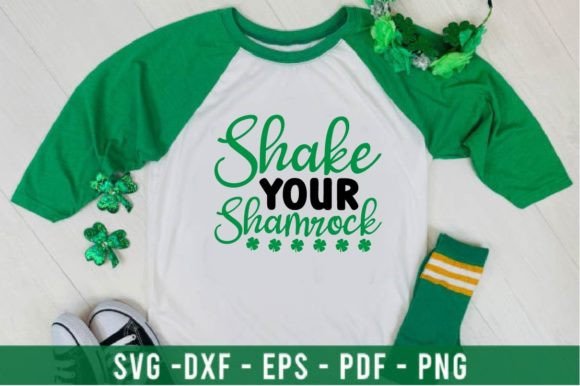
Shake Your Shamrock immediately evokes a sense of fun and festivity. The design features a stylized shamrock with a dynamic, almost whimsical shape that feels modern yet traditional. Its layout is balanced, with enough detail to be visually engaging without becoming overwhelming. The overall mood is light-hearted, making it ideal for casual wear, personalized gifts, and seasonal items.
The design’s simplicity allows it to work well in various embroidery techniques, including satin stitch, fill stitch, and even running stitch. It doesn’t rely on intricate details that might get lost in smaller hoop sizes or on textured fabrics. This makes it accessible for both beginners and experienced embroiderers.
Real-World Use Cases: Where Does It Shine?
Shake Your Shamrock excels in custom apparel projects like tote bags, sweatshirts, and t-shirts. Its bold shape ensures visibility, even from a distance. For example, when used on a tote bag design, it adds a cheerful touch that appeals to customers looking for festive, wearable art. On a sweatshirt, it becomes a statement piece that can be paired with simple text or other seasonal graphics.
It also works well for baby items, such as onesies or blankets, where the playful nature of the design fits perfectly. As an embroidered patch, it could be used on backpacks, jackets, or hats, adding a unique flair to personal style. For holiday gifts, it’s a great option for embroidered pillow covers, tea towels, or aprons—items that are both functional and decorative.
Small business owners and Etsy sellers will find it useful for printable mockups or digital product previews. Its clear structure makes it easy to scale and adapt for different applications, whether it’s for a craft fair booth or an online store listing.
Where to Be Cautious: Potential Limitations
While Shake Your Shamrock is generally well-designed, there are situations where it may not perform as expected. On small hoop sizes, some of the finer details might get cropped or distorted. If you’re working on a cap or a curved surface, the design’s shape could appear stretched or misaligned unless properly adjusted.
On thin or stretchy fabrics, the design may require additional stabilizer to prevent puckering or distortion. Similarly, on dark fabrics, the thread color contrast should be carefully considered to ensure the design remains visible and impactful. If the design includes tiny lettering or intricate corners, those areas might need extra attention during stitching to avoid losing definition.
For commercial embroidery projects, it’s essential to verify licensing terms before selling finished products or digital files. While the product description mentions it’s available for download, specifics about usage rights aren’t provided. Always confirm these details before using the design in a paid context.
Design Quality and Practical Considerations
Shake Your Shamrock has a solid foundation for most embroidery projects. Its file formats—EPS, SVG, PNG, and DXF—offer flexibility for different software and machines. However, without specific information on stitch count or density, it’s best to test the design on scrap fabric first. This will help determine if the stitch density is appropriate for your chosen fabric and hoop size.
When using it for handmade products or personalized gifts, consider how the design will look in black and white mockups. This helps assess its versatility and ensures it maintains visual appeal across different color schemes. Testing it on both light and dark fabric backgrounds can also reveal potential issues with contrast or visibility.
For applique designs or layered garments, the design’s structure may need adjustment to ensure proper placement and stitching order. If the design includes decorative accents, check that they don’t interfere with the main elements or cause stitching complications.
Embroidery Designer Notes: Key Tips for Success
Before committing to a large project, always test Shake Your Shamrock on scrap fabric. This step can save time and materials by identifying any issues early on. Pay close attention to thread colors—especially if you plan to use it on dark or patterned fabrics. A mismatched color can make the design look unprofessional or unclear.
Review the stitch density to ensure it’s suitable for your project. If the design is too dense, it might cause fabric puckering or excessive wear over time. Conversely, if it’s too sparse, the design might lack definition. Confirm the correct hoop size for your machine and adjust the design if necessary.
Inspect small details, such as corners or lettering, to ensure they remain sharp and legible after stitching. For commercial or retail use, make sure the design aligns with your brand’s visual identity and customer expectations. Finally, always check the licensing terms before selling finished items or digital products.
Final Thoughts: A Versatile Addition to Your Design Library
Shake Your Shamrock is a reliable choice for St. Patrick’s Day-themed embroidery projects. Its clean, playful design makes it suitable for a wide range of applications, from custom apparel to holiday gifts. While it has limitations in certain scenarios, its overall quality and adaptability make it a valuable asset for designers, small business owners, and crafters.
Whether you’re creating a handmade product for your shop, preparing a personalized gift, or developing a digital design asset, Shake Your Shamrock offers a solid foundation. With careful testing and thoughtful application, it can enhance your work and provide value to your customers.